
Finding Linton Hall Residents
Linton Hall is a Census-Designated Place, not an incorporated city. It has no city clerk or municipal court. Records for Linton Hall residents are county-centered. So begin with the question in hand. A property question belongs in Prince William County's assessment and GIS systems, while a recorded ownership question belongs with the Circuit Court Clerk. A one-person question may need a court result, a vital-record route, or a historical collection rather than a broad name search.
These sources never create a complete household list. An assessed owner may receive mail elsewhere. A deed party may be a trustee or an estate. Use the date, the role in the record, and a second independent source before treating any name match in a Linton Hall resident lookup as meaningful.
- For an address, use the county assessor or County Mapper to identify the parcel, its GPIN, and the assessed-owner record.
- For a recorded transfer, search the Circuit Clerk index by the party name and then compare the legal description or book and page.
- For one person, choose a record that answers the precise question, such as a public case index, an authorized voter self-check, or a state license record.
- For an earlier household, ask RELIC for the relevant telephone, city-directory, newspaper, cemetery, or census collection.
- When no online result exists, contact the custodian by counter, phone, mail, email, or a targeted Virginia FOIA request for an existing record.
Note: A Virginia FOIA request can seek an existing record, but no county office must create one. An all-residents report is not required.
Linton Hall Resident Records Offices
Three Prince William County offices anchor the directory evidence. Tax Administration leads the list. Its assessment card carries the parcel's situs address, GPIN, legal description, sale history, assessed owner, and tax mailing address. The Circuit Court Clerk holds the legal layer. Deeds, plats, judgments, fiduciary files, wills, heirs, marriage licenses, and case records all live in that office. Elections rounds out the trio. It helps a person verify their own registration, precinct, and polling place, though it publishes no public street roster.
Start at the office whose record answers your question. The Linton Hall street directory covers the address chain in depth, while the offices here distinguish a parcel relationship from a recorded legal event or a restricted personal status.
Tax Administration, Real Estate
4379 Ridgewood Center Drive, Suite 203
Prince William, VA 22192
703-792-6780
Prince William Office of Elections
9250 Lee Avenue, Suite 1
Manassas, VA 20110
703-792-6470
Linton Hall Parcels and GPINs
The Prince William County GPIN is the address-to-record bridge in Linton Hall. It is a ten-digit coordinate-grid parcel number. It displays as xxxx-xx-xxxx. Addresses shift over time. A road can carry a different postal label, and an older deed may use a farm or metes-and-bounds description instead of a house number. The GPIN stays stable across the assessment card, County Mapper, deed research notes, and the Clerk's Property Alerts service.
County Mapper adds real depth. Parcel geometry, districts, aerial imagery, and map layers all attach to the property result. It is an informational map, not a survey. Exact boundaries need a plat and survey. For any Linton Hall residents directory search, keep the GPIN, situs address, legal description, and source date together, and reach the Prince William County Mapper as the official parcel entry point.
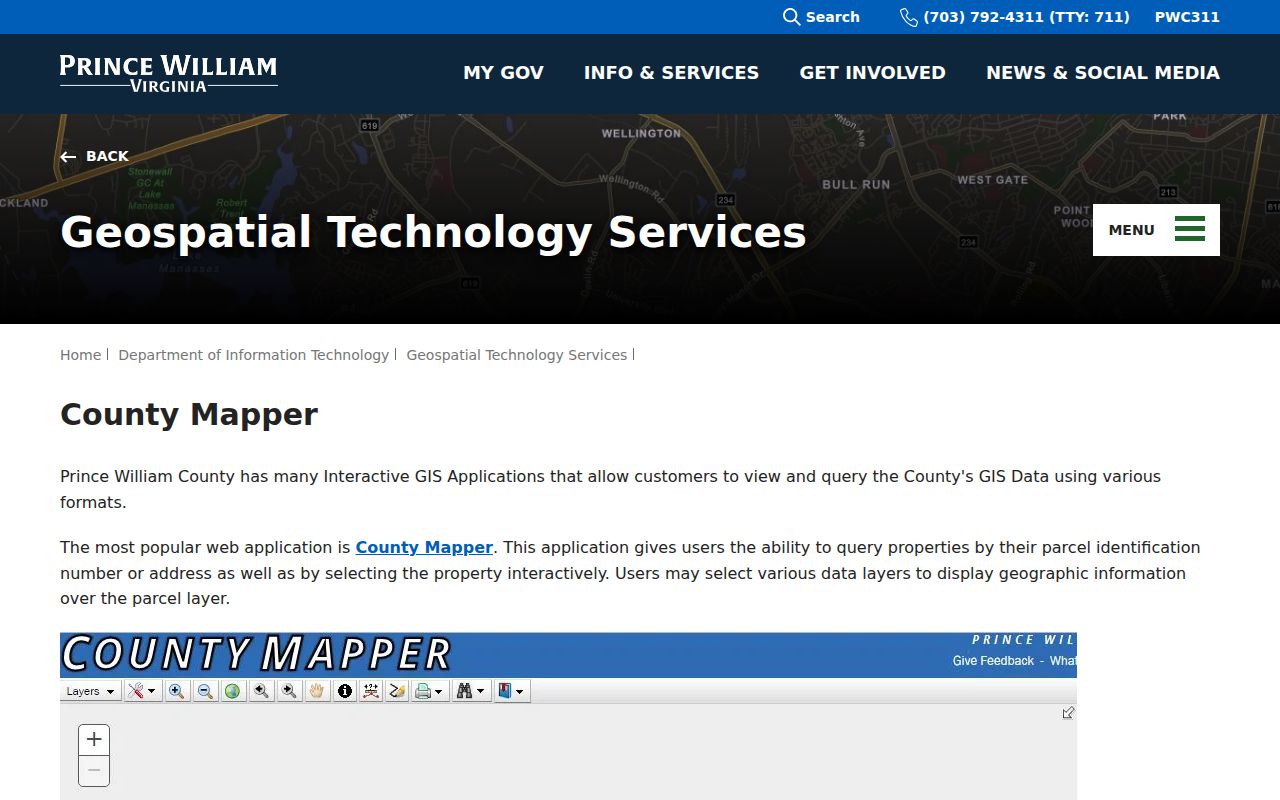
County Mapper connects the Linton Hall residents directory to a parcel record. Not every tied name lives there.
Linton Hall Property Roll Search
The Prince William Public Access search is the best starting point when a current address is the known fact. Its assessment records show a lot. An assessed owner, mailing address, situs address, GPIN or account number, legal description, land and building details, values, and sale history all appear. The mailing address can help locate an owner. It is not proof of occupancy.
Treat number ranges as a narrowing tool only. A broad name list can blend owners, trusts, entities, and different time periods into one confusing result. Open the specific parcel first. A careful Linton Hall residents directory search records the property identity before any move to the deed index.
| Public Access field | How it works | Why it matters |
|---|---|---|
| House Number | Optional low address number | Starts an address search |
| House Number High | Optional high number | Limits a road segment |
| Street Name | Primary address-search key | Use the county spelling |
| GPIN or Account | Alternate parcel key | Bridges property and map research |
| Sales filters | Price, date, size, use, style, neighborhood | Property comparison, not an occupancy list |
Tax Administration assesses real estate annually. Public-service properties are the exception. That timing matters when you compare a current assessment card to an older deed or directory entry. The county real-estate page explains the assessment record shown in the Linton Hall property search.
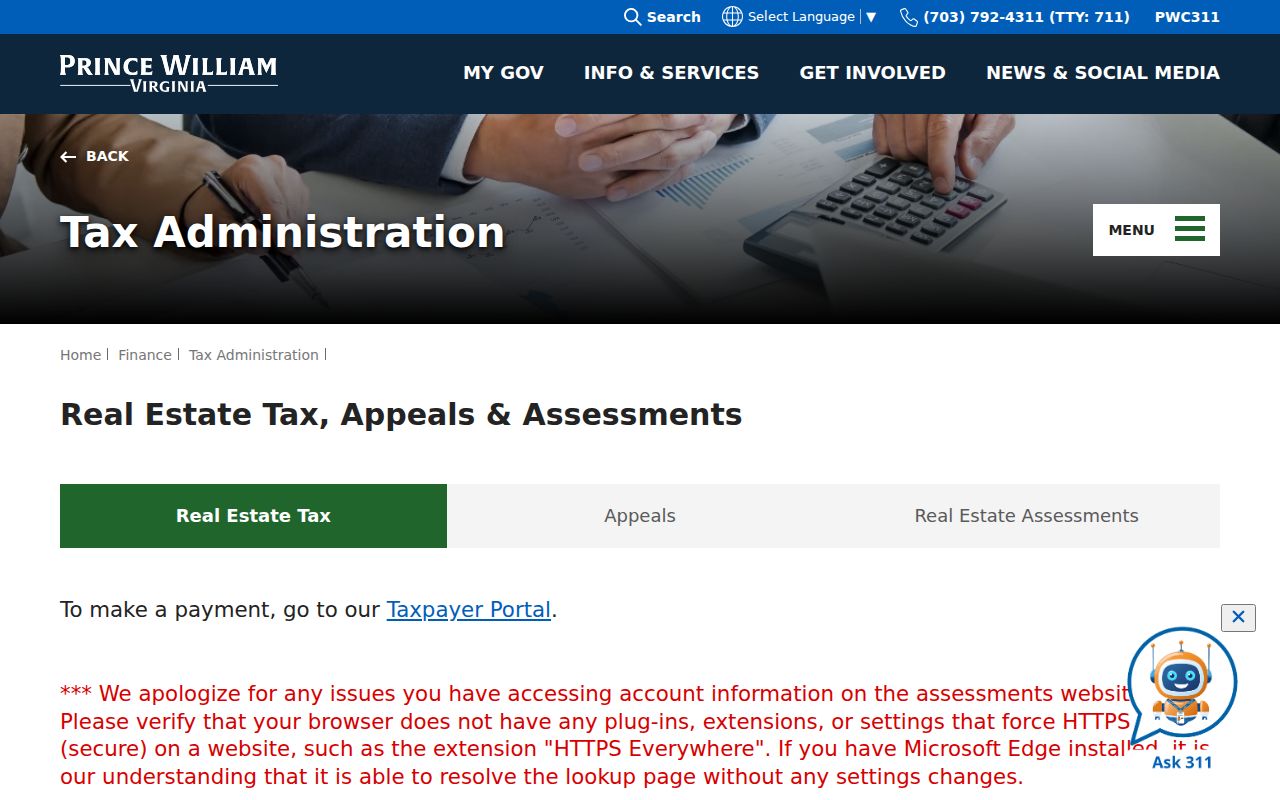
The assessment page anchors the owner-and-parcel layer of a Linton Hall residents directory search. Occupants are another matter.
Linton Hall Deed Record Trail
The Circuit Court Clerk organizes online records by family rather than by person. Deed index and image coverage starts in 1918. The plat index goes further back, to 1794. UCC filings, judgments, fiduciary matters, wills, heirs, marriages, fictitious names, orders, and court cases each sit in separate collections with their own date ranges.
Tracing a parcel works backwards. Search the current owner as grantee first. Read the legal description and the instrument reference. Then run the seller as a prior grantee and repeat the process. In older records, book and page, a plat reference, or even a name variant often proves more useful than a street number. Images may carry a per-image charge plus an Internet Convenience Fee, and the oldest material can require Historic Access, microfilm, or the Records Research and Copies Center.
Current Linton Hall Resident Directories
Linton Hall has no single official roster of who lives there now. That gap surprises people. The public records that do exist are narrower, and each answers one question well. A property card names an assessed owner. A land-record index names parties to a deed or other instrument. A voter self-check works only for the person using it. Association contacts point to a voluntary group, not to its members. Used for its stated purpose, each source stays reliable in a Linton Hall residents directory search.
| Source | Who It Lists | Keeper | Access |
|---|---|---|---|
| Assessment card | Assessed owners | Tax Administration | Free public portal |
| Citizen Portal | A person’s own registration status | Virginia Department of Elections | Self-check only |
| Land-record index | Recorded instrument parties | Circuit Court Clerk | Free index, images vary |
| RELIC collections | Historical subscribers and households | Prince William Public Libraries | Collection or staff access |
| HOA/COA database | Voluntary association contacts | Neighborhood Services | Public contact listing |
Match the record to the claim at hand. Then note what it cannot prove. A public license confirms a credential status, yet it may carry no home address. A court result records a legal event involving a name, not current residence. To cut down on same-name mix-ups, the Linton Hall resident lookup process pairs two independent identifiers that both fit the same time period. That discipline keeps a lookup honest.
Linton Hall Voter Record Limits
Virginia's Citizen Portal lets a resident check their own registration. It takes a name, date of birth, the last four Social Security digits, a locality, and a certification. A successful lookup returns registration status, polling place, district, absentee status, and voting history. It never shows ballot choices. One quirk matters here. Enter Linton Hall through Prince William County rather than as an incorporated city.
State law stops that tool from becoming a public street-by-street directory. Va. Code §24.2-405 and related provisions restrict who may obtain registered-voter and prior-voter lists. The Department's request form asks for eligibility, purpose, address, contact details, and a signature. Where the statute permits, a PO box may stand in for a residence address. Need registration help? For polling-place questions and authorized election forms, the local channel is the Prince William Office of Elections.
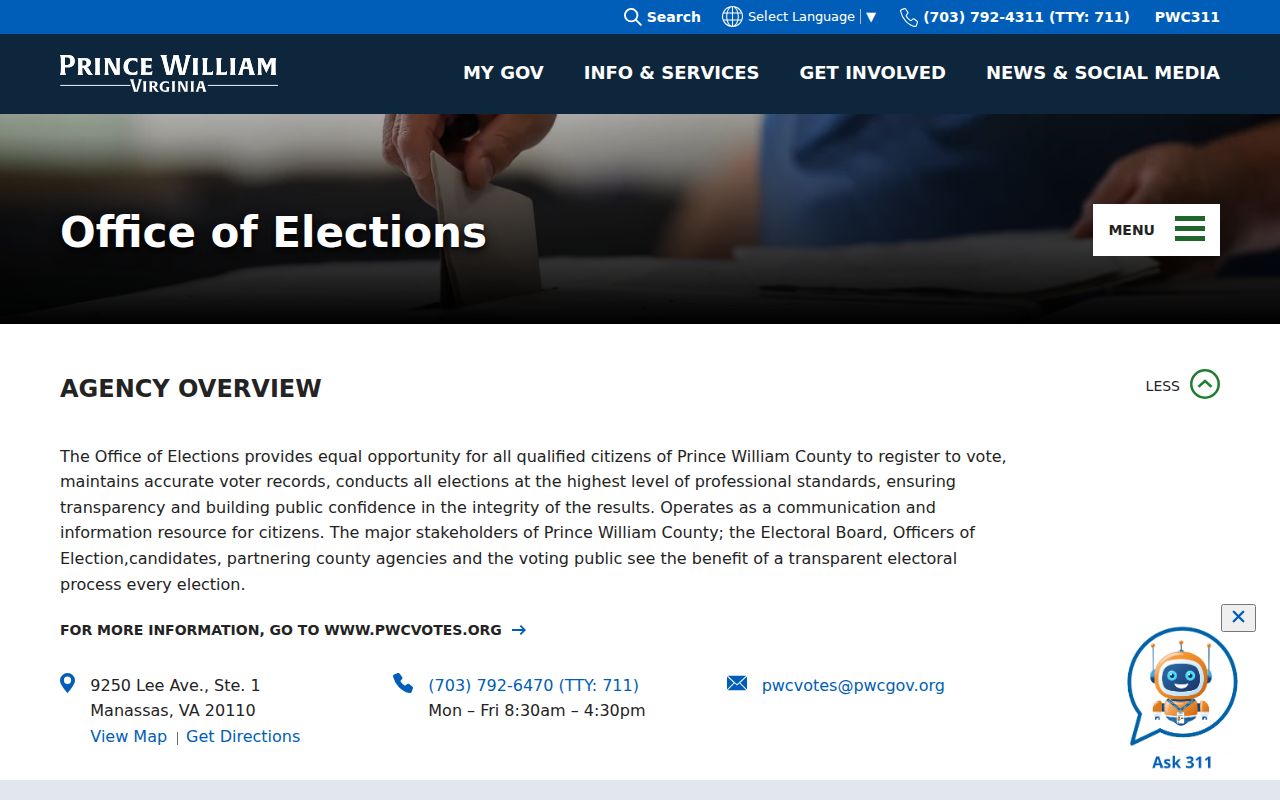
That office frames the proper limit of a Linton Hall residents directory search: checking one's own status and obtaining authorized records, not compiling public household lists.
Linton Hall Court Name Records
Name searches in Linton Hall court records run through the Virginia Circuit Court Information System. Start with Prince William County Circuit. Pick Criminal or Civil next. Results can carry a party list with roles, case numbers, hearing events, pleaded or ordered items, service codes, and a disposition when the record makes those details available.
The web index has edges. County case information reaches back to at least July 1, 1989, and no earlier online. Juvenile, adoption, and sealed matters stay off it.
A hit may be an attorney, a creditor, a former spouse, or an entity with a similar name. Compare role, division, date, and case number first. Ask the Clerk about public terminals or copies when the question turns on the file itself. The County court information page covers the local case channels and the boundaries of public access.
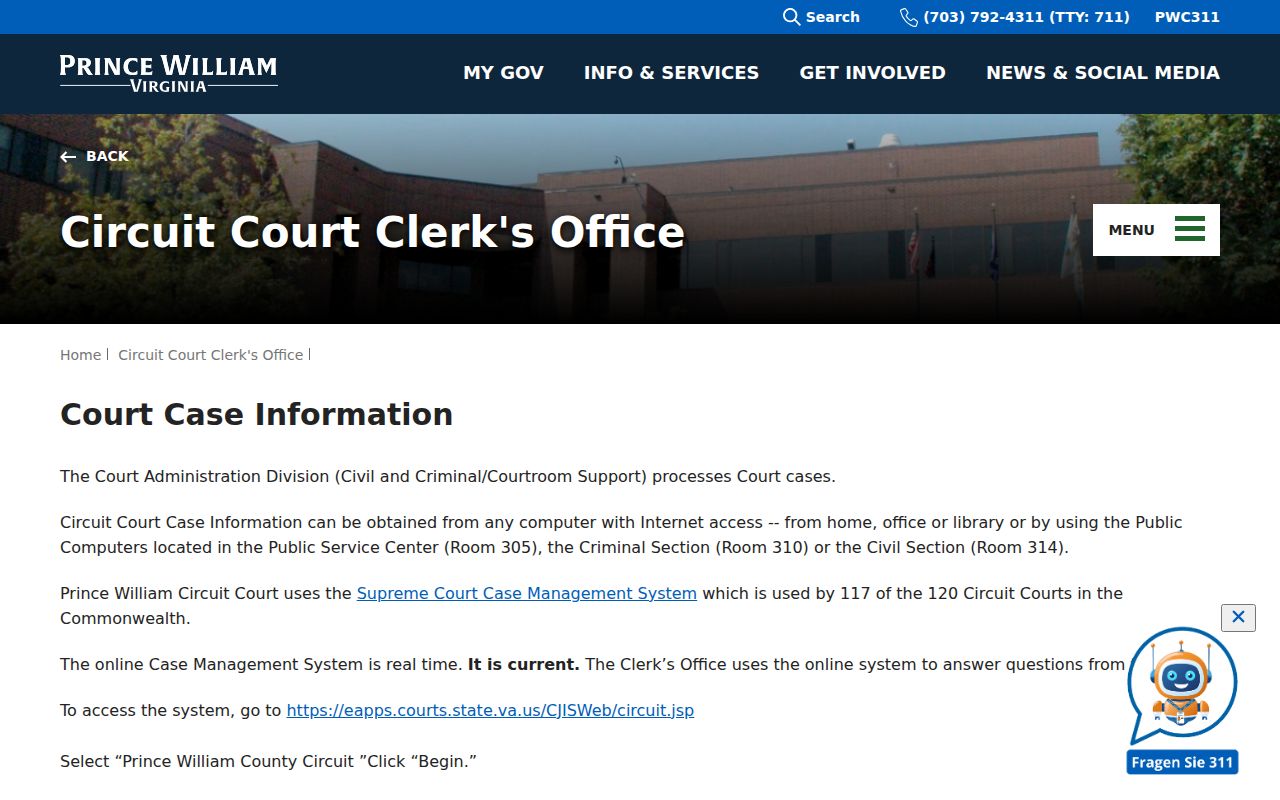
A court route can surface a public case connected with Linton Hall. It is not a current-address result, though.
Linton Hall Vital Record Access
The Prince William Health District counter handles Virginia vital records. Births and deaths date from June 14, 1912. Marriage records start in 1853 and divorces in 1918. A certificate is not a general name lookup, and before the statutory opening window, a requester must show the required relationship or qualifying authority along with valid identification.
Virginia law sets the timers. Under Va. Code §32.1-271, births become public after 100 years, while death, marriage, and divorce records open after 25. The local and state routes list a $15 copy or search fee from July 1, 2026. State online applications issue a tracking ID. Published estimates give five business days online and eight for a complete mailed paper application. When you need the certificate itself rather than an index clue, the Virginia Department of Health application page is the right route.
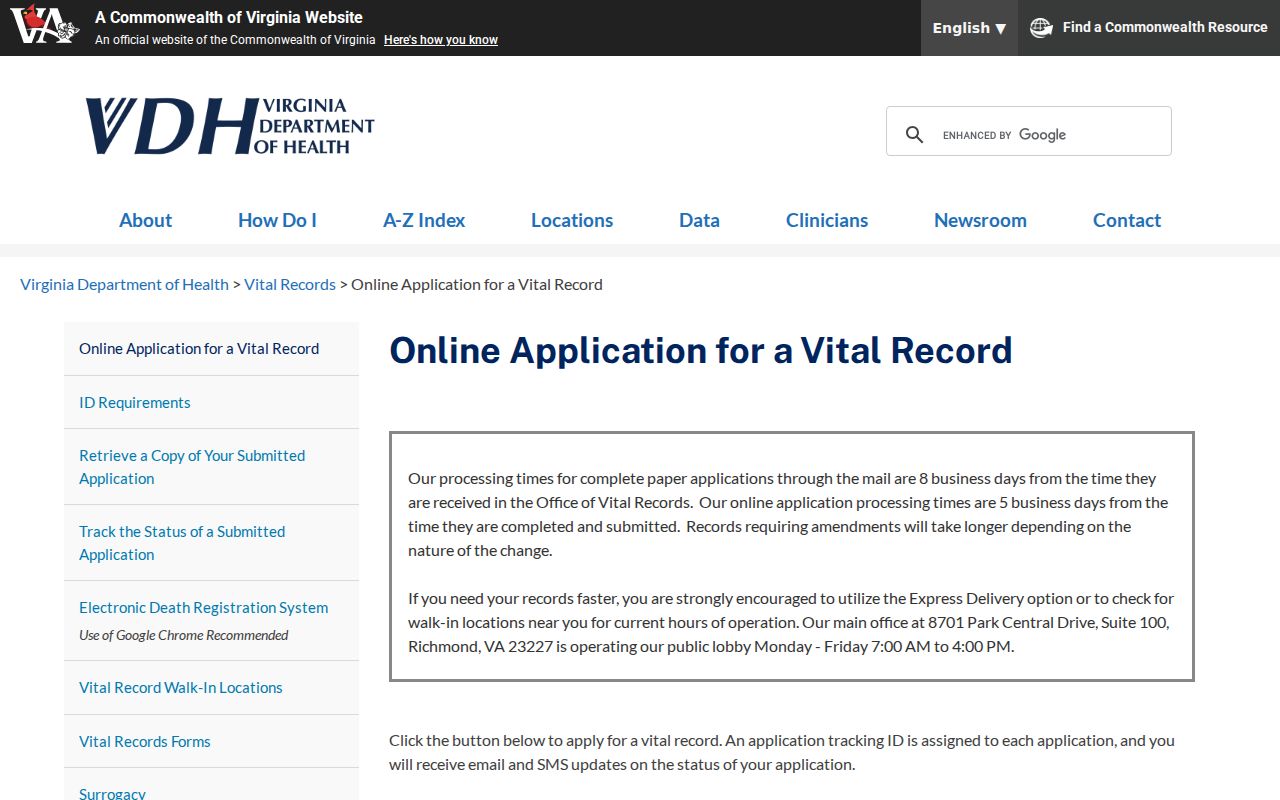
Vital-record rules guard the identity and relationship details behind a Linton Hall residents directory search. Older public indexes exist, but access still bends to those limits.
Historical Linton Hall Resident Directories
Older Linton Hall households leave paper trails. RELIC, the local-history center at Prince William Public Libraries, holds telephone directories from 1903 onward. Its shelves also carry Manassas-area city directories spanning 1960 through 1983 and 2001, plus a corridor series covering 1963 through 1980. A volume's title can mislead. Linton Hall can sit under a broader heading. County-wide, Manassas-area, Bristow, Gainesville, rural-route, and road-name volumes all deserve a look before you set a year aside.
Criss-cross volumes work in reverse. Start from a street and house number, and the book leads you to an occupant or subscriber. The alphabetical section then gives a second entry. A missing line does not mean an empty house. The gap may reflect a lost local run, a non-subscriber, rural listing habits, or simply a different postal label. The Linton Hall city directory collections lay out the full year runs and how to read each entry.
- Parcel
- A defined piece of land in the county property system, identified by a current GPIN and legal description.
- Index
- A finding tool that points to a record, not necessarily the complete image or a certified copy.
- Criss-cross directory
- An address-ordered directory section used to find a past subscriber or household from a street number.
- Record roll
- A collection maintained for a defined public purpose, such as assessment, registration, or recorded instruments.
Linton Hall RELIC Research Paths
City and telephone directories are only the start at RELIC. The center keeps county microfilm, newspapers, yearbooks, photographs, cemetery records, maps, family files, census tools, and digitized historical collections. Its Local News Index reaches back to 1993. Some obituaries from 1970 appear there too. Both help you move from a bare name toward a family, an old address, or a date worth testing against a primary record.
The digital archives go deeper. Prince William deeds from 1731 to 1827 survive there, along with tax and rent rolls for 1738 to 1784, probate material, historic people records, school collections, maps, and vital compilations. None of it forms a current resident list. These sources describe historical relationships instead. Library staff can sort out the differences, too. They can tell a printed directory from a telephone book, an index from an image collection, and a local-news index from a complete newspaper run.
Linton Hall Business Connections
A Linton Hall name question is sometimes an entity question. The State Corporation Commission keeps a Clerk's Information System. It searches entities by business name or SCC ID, returning filings, status, registered-office information, and related documents. DPOR License Lookup takes a name, number, address, or license type and reports public credential details.
These systems support a specific affiliation check. Keep the limits in mind. An entity address, a registered agent, or a license address is not automatically a person's home. Save the entity ID or license number, the status shown, and the date, then compare it against a record that answers a real residence or ownership question.
The state keeps a separate financing-record path. The SCC UCC information page explains that route.
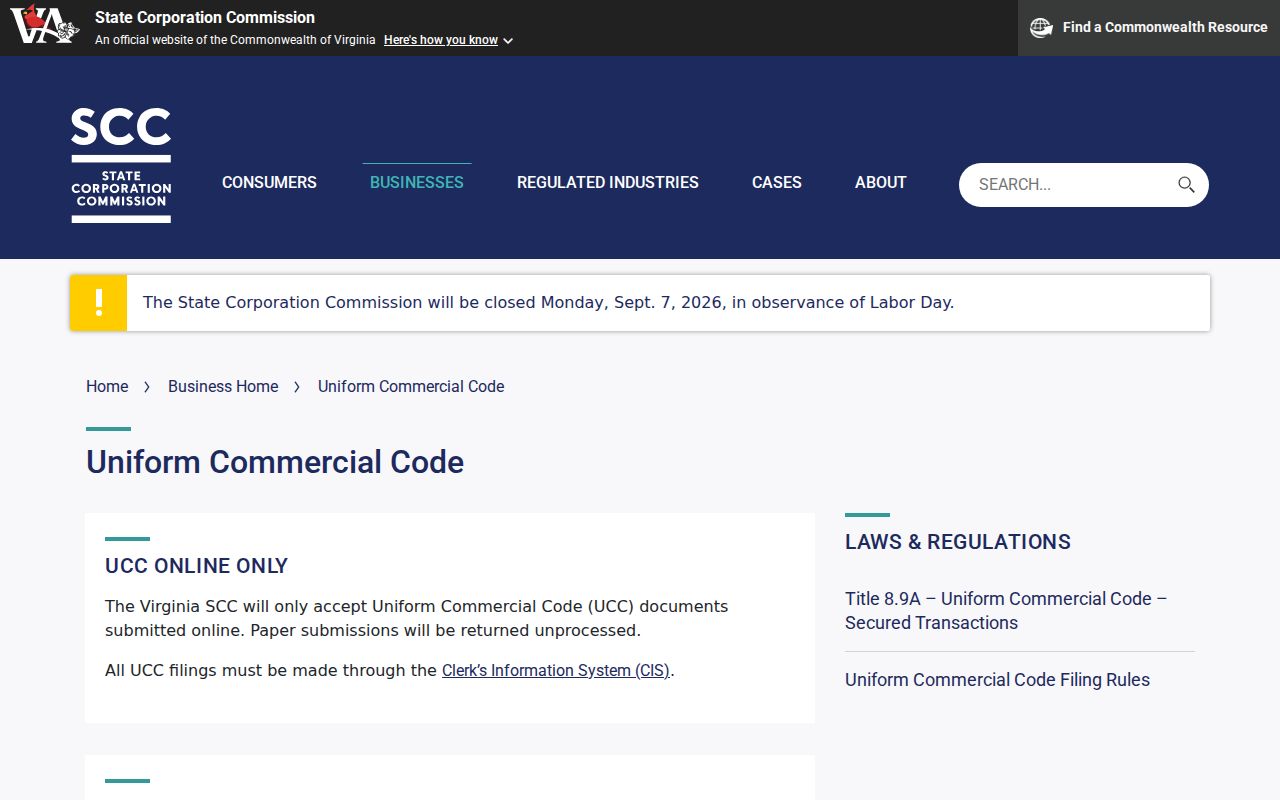
Business filings have their place in a Linton Hall residents directory search. They evidence an entity relationship, not a residential conclusion.
Linton Hall ZIP Geography
A Linton Hall record is easy to miss when you search by postal geography alone. Census material ties the CDP to 20109, 20136, and 20155, while the postal labels on those same addresses can read Manassas, Bristow, or Gainesville. Linton Hall Road itself runs through both 20136 and 20155, split by address range. Remember what a ZIP really is. It marks a delivery geography, not a parcel boundary and not an incorporated-city boundary.
Work outward from the address itself. Confirm delivery addressing through USPS ZIP Lookup for the exact street address, then pin down the actual parcel with a GPIN, a legal description, or County Mapper. An adjacent ZIP such as 20181 should never be assumed to be part of Linton Hall without verifying the address first.
Linton Hall Records Request Options
Offline records call for the right custodian. The Clerk's counter and research center hold older land and case material. RELIC fields historical-collection questions. The Health District handles certificate applications. The Adult Detention Center confirms current custody status by phone only, with no public download, and County 311 takes service requests rather than records requests.
The county FOIA page lays out written and verbal request channels, departmental liaisons, response rules, estimates, deposits, and actual-cost charges. Virginia FOIA, Va. Code §2.2-3704, works best with specifics. Name the record, the office, the date range, and the subject.
The county FOIA guidance shows the proper public-records route. That route matters most for Linton Hall whenever an online index stops.
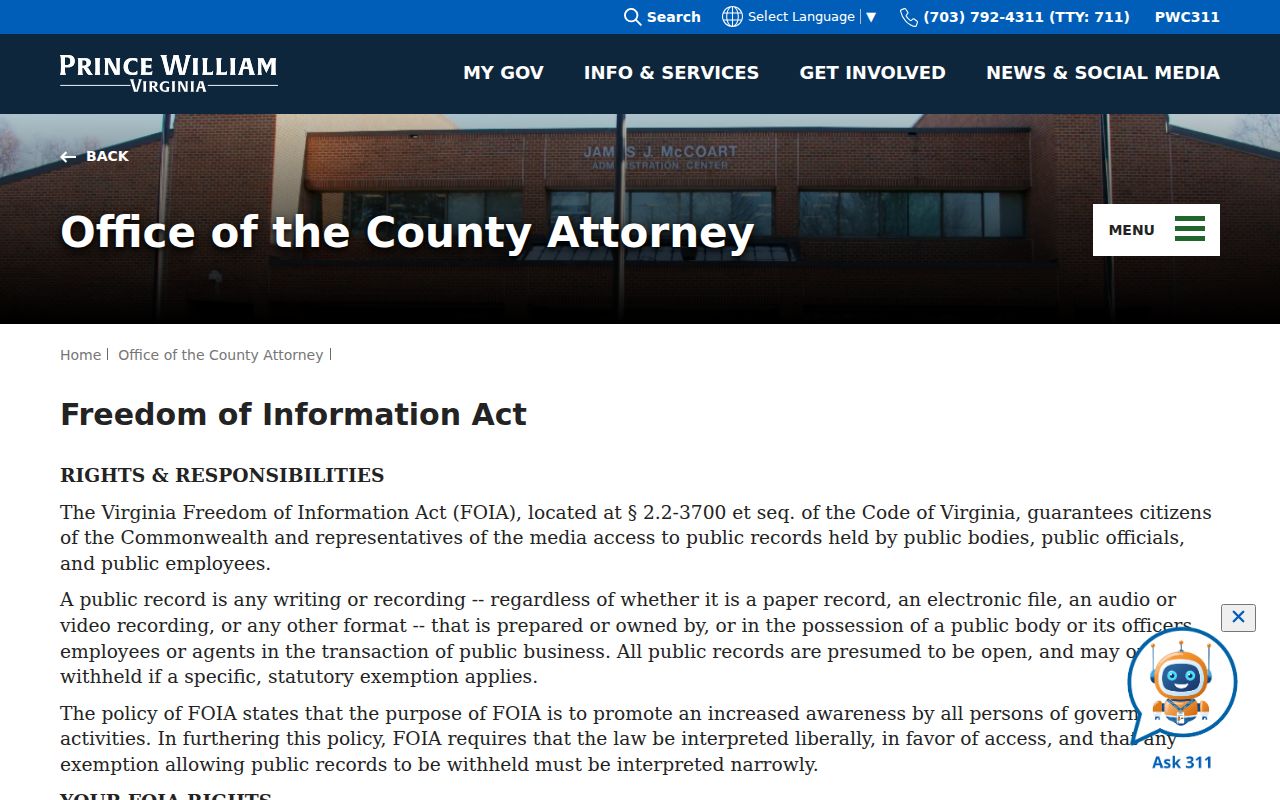
FOIA reaches records the county already holds. It cannot compel anyone to assemble a new Linton Hall residents directory.
Linton Hall Record Use Safety
Access is not permission. Using public records to threaten, follow, harass, or harm someone crosses a line. The line is both legal and ethical. Virginia voter law restricts recipient lists. The federal Driver's Privacy Protection Act controls DMV data. Court and adoption material can be sealed. Vital records carry eligibility and opening rules. The Virginia Address Confidentiality Program can shield a qualifying participant's actual address.
Use records carefully. Keep research to a lawful personal purpose, respect confidentiality decisions, and verify a suspicious contact through an independently found official number.
Property-fraud mailers and planning-payment messages can look convincing. They borrow real parcel or permit details. The county's 311 portal centralizes service requests, while the Clerk's official records page and Property Alerts service are safer stops for land-record questions. County officials warned in June 2026 that Planning does not request wire, card, or ACH payment by email. Verify before you pay. The Prince William 311 portal is an official service channel, not a search engine for personal records.
The portal offers a distinct county contact route. A Linton Hall residents directory user can reach the county there without any submitted information becoming a public record search.